2 Oct 2012
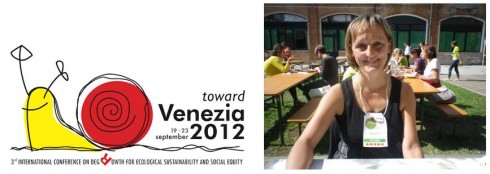
The other interview I did at the Degrowth conference in Venice recently was with Silke Helfrich, one of the editors (along with David Bollier) of the excellent recently-published book ‘The Wealth of the Commons: A World Beyond Market and State‘, a collection of 73 articles by activists, academics and project leaders (I wrote one on resilience) on the theme of the commons. I recommend it. Silke gave a fascinating presentation at Degrowth 2012, so one day, after lunch, I caught up with her and asked to her to tell me more. Here, as usual, is the audio should you wish to listen to it, followed by the transcript.
Read more»
1 Oct 2012
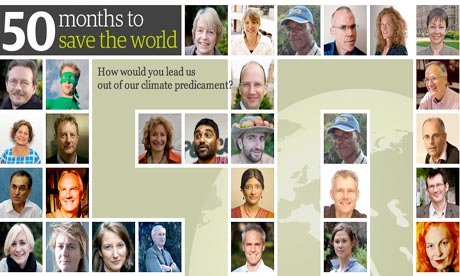
New Economics Foundation’s ‘100 Months’ campaign today reaches its midway point. It was launched in August 2008 based on the understanding that the time that remains to us to avoid the likelihood of runaway climate change is limited, and based on the science at the time, there was closing window of opportunity to do something meaningful about it. 50 people were asked to write, in 50 words, their response to the question “so what needs to be done in the time we have left?” Here’s mine:
“As well as international/national action, we also need to put strategic economic localisation at the heart of national economic policy, making local food, community-owned energy, genuine local democracy, a culture of entrepreneurship and local investment for local benefit the foundation of a low-carbon, resilient economy. And it should be thrilling”.
Read more»