So what might it look like when a local authority really gets Transition? Earlier this week I received a very excitable email from Cristiano Bottone, one of the movers behind Transition Italia, and the Transition of his own town, Monteveglio, near Bologna. “Monteveglio‘s local authority signs a strategic partnership with “Monteveglio Città di Transizione”….This is a revolution for this country, believe me. Thank you for all your help. I love you ;-)”. So what did the Monteveglio authorities actually sign up to, why is Cristiano so excited about it, and what does it mean?
Oh these mad Devon-to-London-and-back-in-a-day trips, I really must learn not to do them. I’m writing this on the train home after the train was stuck for half an hour at Pewsey due to a failed signal, which the driver waited for and then, it would appear, noted that it wasn’t working and just thought “sod it”, and carried on through it. Not sure if that’s standard procedure, anyway, at least we’re moving again. So, this is a write up of the ‘Future of Food’ event organised by the Soil Association, its International Conference, which was the cause of my early rising and late return home.
Here’s an excellent short talk from TED, exploring in a very visual way the impact that oil production has had on the world. It was also great that I wasn’t the only speaker who talked about peak oil!
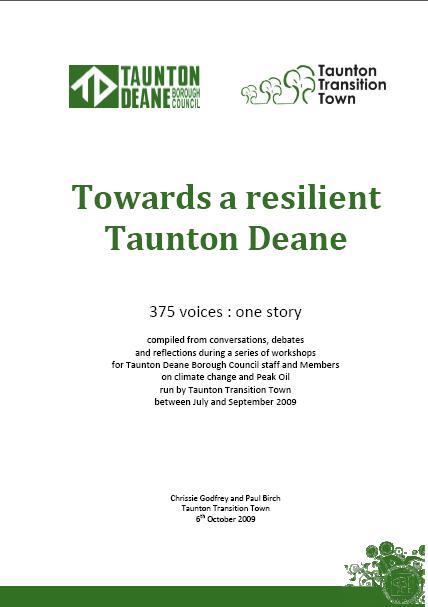
Just realised I hadn’t blogged about this yet. It is an extraordinary story, one which we might regard as an example of best practice in terms of how Transition initiatives engage their local authorities. In effect, Transition Taunton Town got over 350 staff from the local Council to create a vision for the future of the area. You can download their plan here, but here’s how it was described over at Transition Network News.
“Something historic happened in the summer of 2009 in Taunton. A UK Local Authority decided to take a whole staff approach to their responsibility for tackling the community’s carbon footprint and dealing with the potential effects of climate change and Peak Oil.
How might our response to peak oil and climate change look more like a party than a protest march? This site explores the emerging transition model in its many manifestations
Read more»
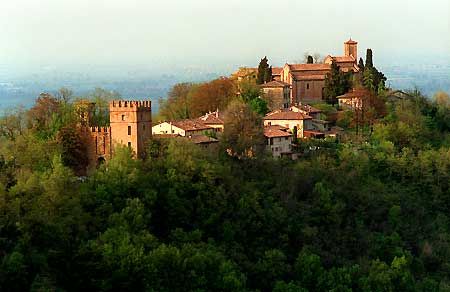 So what might it look like when a local authority really gets Transition? Earlier this week I received a very excitable email from Cristiano Bottone, one of the movers behind Transition Italia, and the Transition of his own town, Monteveglio, near Bologna. “Monteveglio‘s local authority signs a strategic partnership with “Monteveglio Città di Transizione”….This is a revolution for this country, believe me. Thank you for all your help. I love you ;-)”. So what did the Monteveglio authorities actually sign up to, why is Cristiano so excited about it, and what does it mean?